
Hot Game · Cards
Tower: A Clear Tower Demo Guide for phsky login Players
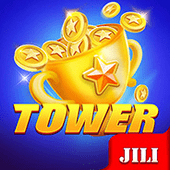
Tower is a hot card game in the phsky login collection built around a simple sequence of choices. Each round asks you to assess the visible information, choose a path, and decide whether to continue or stop. This page presents a measured introduction to Tower, a practical Tower Demo learning routine, and a way to organise observations without promising a particular result.
The best starting point is to treat every Tower session as a set of independent observations. A previous card or outcome does not make the next card more likely. Use the game interface to learn the pace first, keep a fixed entertainment budget, and pause whenever the session no longer feels controlled.
What is Tower?
Tower is presented as a compact cards experience rather than a long-form table game. The visual tower gives the round a clear sense of progress: you review the current level, consider the available choice, and then select the action offered by the interface. The rules shown in the active game screen should always take priority over any general guide, because display options and round settings can vary by version.
For new players, the Tower Demo idea is useful as a learning lens. A demo-style review lets you focus on navigation, timing, card placement, and the meaning of each control before committing to a real-money session. It is not evidence of a future result. Instead, use it to record what you understand, which decisions are available, and where the game asks for confirmation.
Players comparing card formats may also look at Money Coming for a different visual rhythm in the wider phsky login games catalogue. Keep each game in its own notes: patterns from one title cannot establish the probability of an outcome in Tower.
A probability-minded view
Chance-based events should be evaluated over many independent rounds, not by a short winning or losing streak. A small sample can look unusual without changing the underlying rules. Compare the information actually displayed by the game, set a stop point before playing, and never use a previous result as a guarantee.
How to Play Tower?
Use the following Tower Demo checklist to become familiar with the round flow. It is intentionally descriptive rather than predictive, so it can help you read the screen while keeping expectations realistic.
1. Read the round panel
Check the level, current card information, available actions, and any confirmation message. Do not select a control until you know whether it advances the round or ends it.
2. Choose one offered path
Make the decision that matches the rule shown on screen. A visual position, a recent result, or a feeling that a result is “due” is not a statistical edge.
3. Review the next state
After the interface responds, note whether the tower advances, resets, or offers a cash-out or stop choice. Take a breath before making the next action.
4. Stop by your pre-set rule
End the session at the time, budget, or round limit you chose in advance. A stop rule protects the quality of your decision-making when variance produces an unexpected result.
A Tower Demo review should finish with a short note: what each button did, how the levels were displayed, and which rule remained unclear. If a term or control is ambiguous, stop and consult the live game information rather than guessing.
Tower Features
Visible progress
The tower metaphor gives the round an easy-to-follow structure. You can identify your current position before reviewing the next available choice, making the sequence easier to explain in a Tower Demo.
Decision-led controls
The central interaction is the choice presented by the game. Focus on the labels and confirmation states rather than tapping quickly, especially on a smaller phone screen.
Mobile-friendly format
Tower fits the short-session style of the phsky login app and browser catalogue. Keep the device steady, check that the selected control changed state, and avoid repeated taps during loading.
Quick observation cycles
A short round makes it practical to pause between decisions and keep a simple record. That rhythm supports disciplined play without suggesting that a fast game has a predictable outcome.
Easy to explain
The clear level-by-level presentation makes Tower suitable for players who prefer to understand the order of events before they begin. Read the on-screen rules every time a new version appears.
These are interface and format observations, not a promise of a payout, advantage, or fixed return. The phsky login casino catalogue can contain games with different rules, so compare the stated information for each title instead of transferring assumptions.
Tower Strategies for Better Decisions
There is no strategy that can remove chance from Tower. A sensible strategy therefore concentrates on process: understand the round, decide before acting, and keep your exposure within a limit you can afford. The following habits can make a Tower Demo review more useful.
Use a fixed observation sample
Watch or record a defined number of rounds, then stop to review your notes. Do not change your view because a short sequence appears to form a pattern.
Separate information from interpretation
Write down what the interface displayed first. Add your interpretation afterward. This small separation helps prevent a recent result from being mistaken for a rule.
Set a stop-loss and stop-time
Choose both before starting. If either boundary is reached, close the session. Never chase a loss by increasing a stake or extending a session without a new plan.
Protect attention on mobile
Play only when you can concentrate, and check the button state after every tap. A stable connection and a calm setting are more useful than rushing through a round.
This approach keeps the Tower Demo focused on learning and keeps real play within a clear personal boundary. If gambling stops feeling recreational, take a break and seek support from a trusted person or an appropriate local service.
Related Games
If you enjoy comparing formats, these real titles from the phsky login games collection provide different themes and pacing. Select a card to continue to the gaming platform. Each image is supplied from the current site catalogue.
 Ali Baba
 Asgardian Rising
 Aztec Priestess
 Baccarat
 Boxing King
 Coin Lamp
 Color Game
 5 Card Poker
Tower FAQ
What type of game is Tower?
The current data record lists Tower as a hot card game. Its page presents a level-based decision flow, while the active game screen remains the authority for the exact rules and controls.
What is a Tower Demo?
A Tower Demo is a learning-oriented way to inspect the round sequence, controls, and visual feedback before treating a session as real play. It can improve familiarity, but it cannot predict a random result.
Can a previous Tower result predict the next one?
No. Unless the game explicitly states a rule that connects rounds, previous outcomes should be treated as separate observations. A streak is not proof that an opposite result is due.
How can I keep Tower play controlled?
Set a budget, round limit, and stop time before you begin. Keep the session recreational, avoid chasing losses, and take a break if your decisions become hurried or emotional.
Is Tower available on mobile?
Tower is listed in the mobile-first phsky login catalogue. Use the current phsky login link and follow the instructions shown by the platform for your device and location.
Where can I compare another card format?
The related-games area above lists several current catalogue titles. For a different style of play, you can also read the guide to Aztec Priestess and compare its presentation with Tower.
More from phsky login
Tower is one part of a broader catalogue that includes hot games, card formats, slots, fishing titles, and casino tables. Keep your game notes specific to the title you are viewing, and use the published page information as your reference when moving between formats.
Players who want another comparison can read the Mega Ace page, then return to the Tower Demo checklist to review how theme and pace differ from the decision structure here. A different presentation does not change the importance of budget limits or independent outcomes.